By Luiza Delaflora Cassol and Sarah Ruth Opatowski
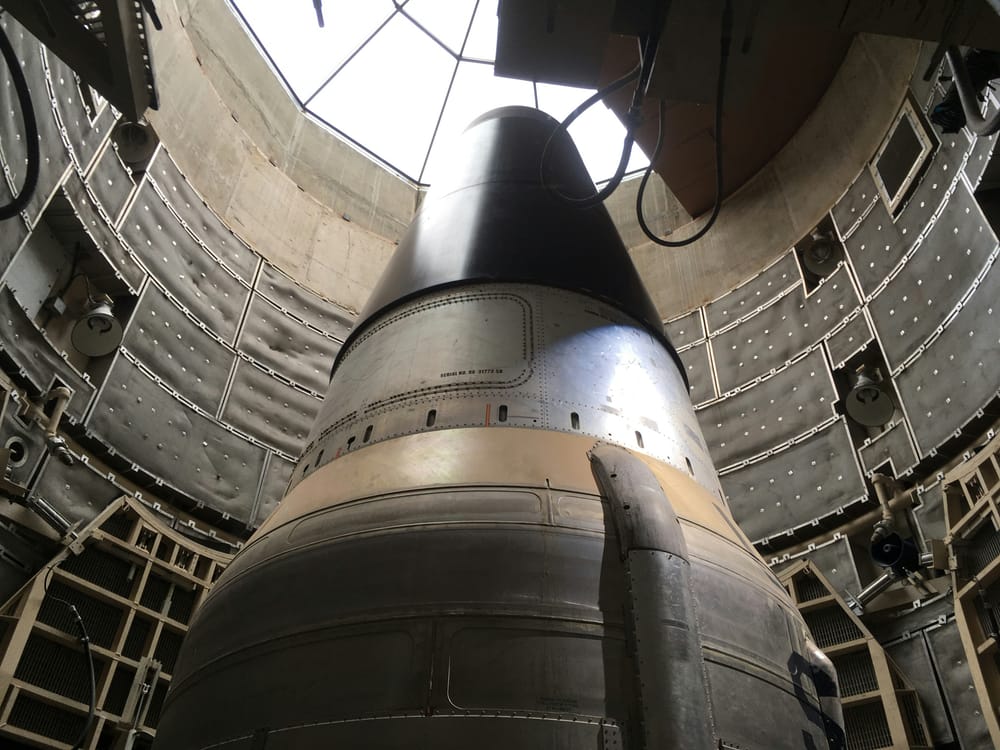
Switzerland holds a distinctive place in the nuclear story of the modern world. Today, and perhaps to the surprise of some, Switzerland has two main interlinkages to nuclear weapons. The first is the extensive nuclear bunker system interwoven underground. The second is that the country, but particularly international Geneva, boasts a rich and proud history of work on nuclear non-proliferation, arms control, and disarmament diplomacy.
However, work on nuclear issues in Geneva is facing a challenging time as nuclear risks are on the rise. States’ rhetoric is hardening, arsenals are being expanded and modernised, and the multilateral system that served the international community so well is increasingly strained. At a time like this, it is important for the disarmament community in Geneva to reflect on the process and practices of nuclear arms control and disarmament diplomacy and consider how it might adapt to tackle the challenges of the future in a deteriorating geopolitical climate.
2026 in the Balance: A Defining Year?
2026 will bring several decisive moments in nuclear diplomacy. In February, the New START treaty – the only remaining nuclear arms control agreement between the US and Russia – is set to expire, ending a decades-long limitation on their nuclear arsenals. The absence of any agreement removes the brakes on an arms race between the two nuclear powers. This could also have a knock-on impact on other nuclear-armed states’ decisions to expand, bringing greater instability to the international security environment.
Alternatively, this void could encourage states to step up and search for new opportunities for further engagement on arms control and address growing concerns related to nuclear doctrines and strategies, modernisation and expansion of arsenals, reintroduction of once eliminated intermediate-range missiles, and development of anti-ballistic missile defence systems. Given that Geneva has repeatedly been chosen as the place where world leaders and diplomats convene to discuss nuclear issues, the list of pressing challenges suggests that there is no shortage of areas for discussion in the Geneva disarmament hub.
Indeed, Geneva has been a key setting in discussions around the 2015 Iran nuclear deal, an agreement to limit the Iranian programme in exchange for a sanctions relief package. This includes the 2013 “Geneva Interim Agreement”, a key building block in the deal. Since the breakdown of the nuclear deal in 2018, Geneva has hosted several rounds of talks to revitalise the agreement until momentum stalled in the wake of wider regional and international developments.
Given that Geneva has repeatedly been chosen as the place where world leaders and diplomats convene to discuss nuclear issues, the list of pressing challenges suggests that there is no shortage of areas for discussion in the Geneva disarmament hub.
This will likely have further implications over the course of 2026, including in relation to the future of the Treaty on the Non-Proliferation of Nuclear Weapons (NPT) – the cornerstone of the international nuclear non-proliferation regime – as Iran has publicly debated withdrawal.
In April-May 2026, the 11th NPT Review Conference will convene in New York. The Conference is a space for the global community to meet every five years and take stock of developments in the past and determine the strategic direction of the NPT until the next Review Conference and beyond. In recent years, the NPT has been under considerable strain. The last two Review Conferences failed to achieve a consensus final document, and many states have voiced the need for the 2026 edition to be successful.
Ongoing discussion on nuclear issues in Geneva provides an important space for exchanges that shape nuclear diplomacy, including informal consultations on working papers and other materials that feed into the NPT process.
While the NPT Review Conference takes place in New York, Geneva has played an important role in shaping the evolution of the NPT. Switzerland has been at the forefront of NPT discussions, from the negotiations of the NPT in the mid-1960s to the Second Preparatory Committee of the NPT Review Cycle, typically hosted in Geneva. Ongoing discussion on nuclear issues in Geneva provides an important space for exchanges that shape nuclear diplomacy, including informal consultations on working papers and other materials that feed into the NPT process.
The UN Disarmament Machinery
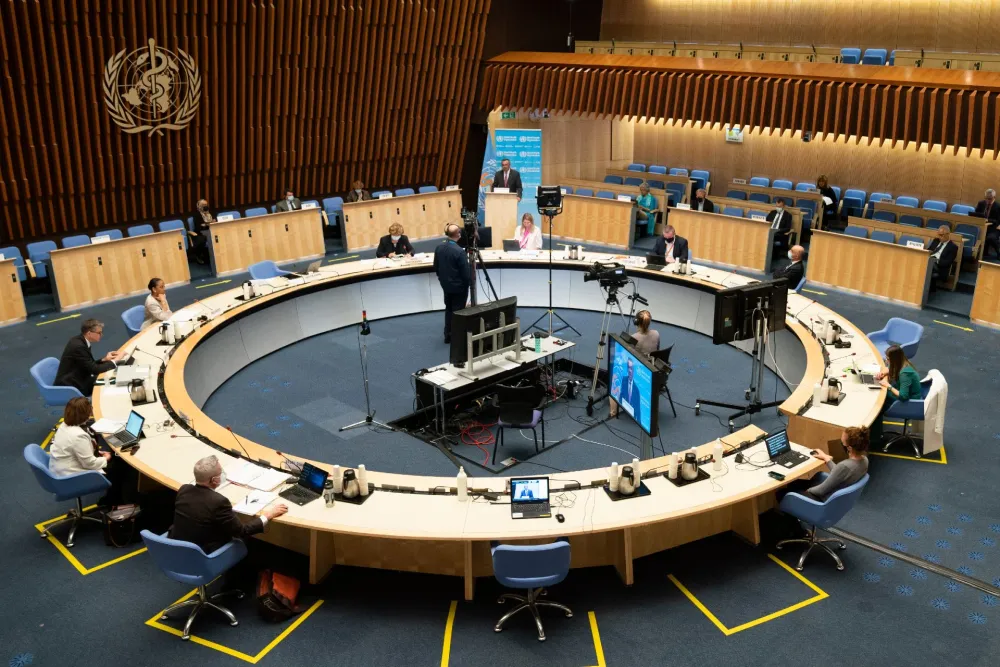
The Conference on Disarmament (CD), headquartered in Geneva, includes participation of all nuclear-armed states and presents opportunities for critical exchanges on nuclear issues. As the single multilateral disarmament negotiating forum, the CD is the birthplace of some of the most important international agreements dealing with weapons of mass destruction, including the NPT, the biological and chemical weapons conventions, and the Comprehensive Nuclear-Test-Ban Treaty.
Despite initiatives to revitalise the CD, recent progress in negotiations has slowed with the rise of geopolitical tension. Nonetheless, discussion among CD Member States has continued through subsidiary bodies – three out of the five are dedicated to nuclear issues – in an attempt to find areas of convergence that could enable the recommencement of negotiations.
This does not imply that nuclear issues have reached a complete standstill within the UN disarmament machinery. States have been active in preserving and progressing diplomatic processes through different tracks of activity in the UN system. In 2025, the General Assembly passed several resolutions relevant to nuclear issues that could inform and affect nuclear disarmament, including for the Geneva community. One resolution decided to establish a Group of Scientific and Technical Experts on Nuclear Disarmament Verification. This builds on the successful conclusion in 2023 of a Group of Governmental Experts process to further consider nuclear disarmament verification issues, which took place in Geneva. The emergence of new routes to advancing nuclear disarmament-related discussions, despite broader challenges to nuclear disarmament and non-proliferation, demonstrates that progress remains possible, however daunting the prospect.
The Geneva disarmament community also remains cognisant of the need for reform, and indeed several steps have been taken to enhance the existing machinery. The specifics of a wider set of reforms through the UN80 Initiative are yet to be determined. However, it will be important to maximise the considerable amount of disarmament expertise and institutional memory in Geneva to help create momentum and build on the role that Geneva plays at the heart of disarmament.
About the Authors
Luiza Delaflora Cassol is a Research Assistant with the Weapons of Mass Destruction Programme in the United Nations Institute for Disarmament Research.
Sarah Ruth Opatowski is a Research Assistant with the Weapons of Mass Destruction Programme and the Middle East Weapons of Mass Destruction-Free Zone Project in the United Nations Institute for Disarmament Research.
All publications of the Geneva Policy Outlook 2026 are personal contributions from the authors and do not necessarily reflect the views of the institutions they represent, nor the views of the Republic and State of Geneva, the City of Geneva, the Fondation pour Genève, and Geneva Graduate Institute.