By Ellen Rosskam and Malgorzata Alicja
Every day, hundreds of millions of people around the world use skin-lightening cosmetics, driven by deep-rooted cultural ideals and societal pressures that equate lighter skin with beauty, success, and privilege, leading to a form of discrimination known as colourism. Eliminating colourism is key to removing harmful biases that limit people’s opportunities, dignity, and safety; and promoting fairer societies where individuals are valued for their character and abilities, not their skin tone.
Behind the booming global skin lightening cosmetics industry lies a hidden danger: many of these products contain mercury and other toxic substances that pose serious risks to human health and the environment. These products are often used without awareness of their harmful ingredients.
Behind the booming global skin lightening cosmetics industry lies a hidden danger: many of these products contain mercury and other toxic substances that pose serious risks to human health and the environment. These products are often used without awareness of their harmful ingredients.
The global solution to this problem is rooted in multilateral cooperation, as seen in the Minamata Convention on Mercury. This landmark treaty, developed under the auspices of the United Nations Environment Programme (UNEP) and in force since 2017, brings together 153 countries committed to reducing mercury pollution and protecting human health and the environment. The Convention sets a zero-mercury standard in cosmetics, including skin-lightening soaps, creams, and powders.
What Is at Stake and for Whom?
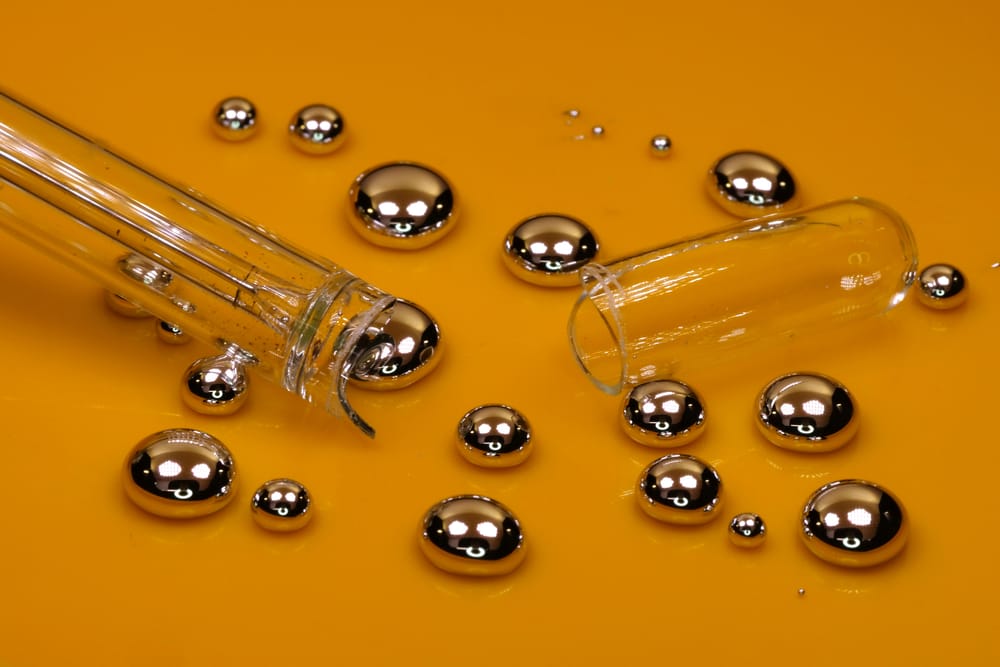
Mercury is commonly used in skin-lightening products because it blocks melanin, the pigment that gives skin its colour. But the risks far outweigh the cosmetic effects. Mercury exposure can lead to skin discolouration, scarring, reduced resistance to infections, as well as serious health problems, including liver and kidney damage, neurological disorders, depression, and developmental delays in children. While both women and men use these products, women and children are especially vulnerable to mercury exposure from cosmetics.
Getting mercury out of skin lightening cosmetics and fighting colourism requires the engagement of a wide range of stakeholders such as UNEP and WHO; educational and regulatory institutions; ministries of health and environment; civil society; youth and faith groups; professional associations such as dermatologists and primary care practitioners; the private sector; and influencers such as artists, models, fashion designers, musicians, and filmmakers.
Multilateral Action Continues to Progress and Deliver
Between 2022-2025, UNEP, with support from the Global Environment Facility, in collaboration with WHO and Biodiversity Research Institute, led an initiative in Gabon, Sri Lanka, and Jamaica to support countries reaching the Minamata Convention’s goals. The 3 countries made significant advances toward eliminating mercury from skin-lightening products.
The government of Gabon has led the African continent by gathering over 150 experts and delegates from ministries of health and environment, from 13 African countries, culminating in the adoption of the Libreville commitment on the elimination of mercury-containing skin-lightening cosmetics in Africa. This groundbreaking agreement calls for regional collaboration to strengthen regulations, enhance enforcement, and increase public awareness to combat these harmful products. Commitments to counteract skin whitening practices include: a) creating incentives for online platforms to adopt voluntary agreements to identify, remove and prevent the sale of mercury-containing cosmetics; b) mobilising resources from governments and partners to eliminate mercury-containing skin-lightening cosmetics; c) strengthening national regulatory authorities; d) strengthening capacities for mercury waste management and; e) facilitating collaboration among stakeholders, e.g. civil society organisations, community leaders, educational institutions, professional groups, faith groups, and the private sector.
Similarly, in Sri Lanka, regulatory reforms were enacted to align national laws with the Convention’s zero-mercury standard, as authorities continue to work with major e-commerce platforms to prevent the online sale of banned cosmetics - a critical step given the dominance of digital distribution. Lastly, Jamaica launched investigations into suspected domestic manufacturers. Products sold in both formal and informal markets in Jamaica’s major cities are currently being analysed for mercury content. Customs training and other workshops are scheduled for early 2026.
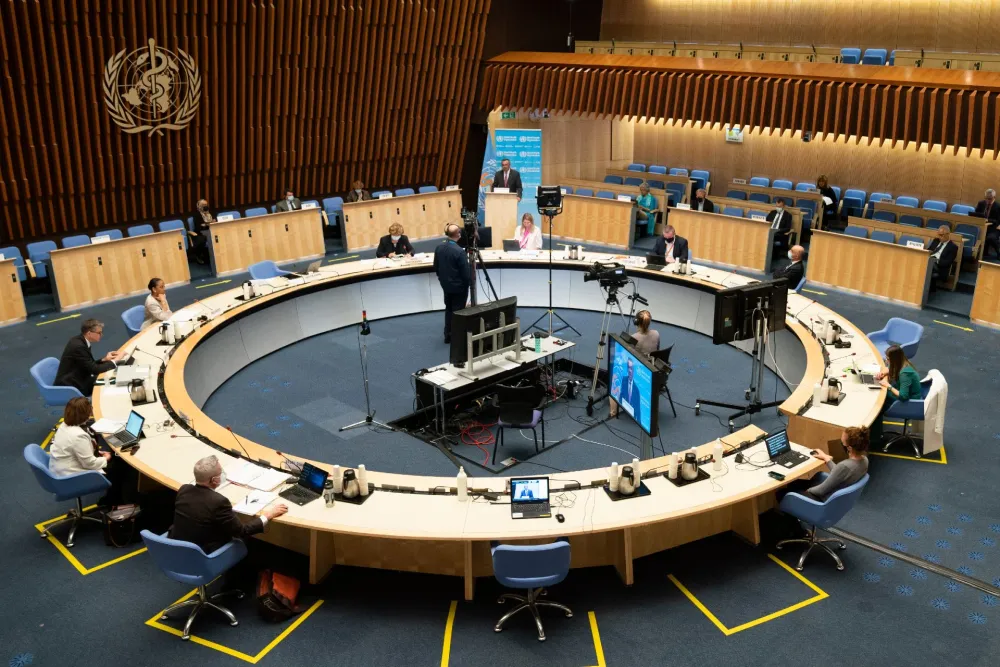
Alongside the 6th Conference of the Parties to the Minamata Convention on Mercury (the Convention’s governance mechanism), a major international campaign has also been launched to raise awareness, encouraging people to confront toxic social norms that fuel skin-lightening practices. As part of this movement, a series of events and art exhibitions took place in Geneva in November 2025, bringing together voices from across the globe to celebrate diversity and call for a future free from toxic beauty ideals. The campaign included a powerful film screening and panel discussion organised by the International Geneva Global Health Platform of the Global Health Centre at the Geneva Graduate Institute, co-hosted by the United Nations Environment Programme, Global Mercury Partnership, World Health Organization, Biodiversity Research Institute, and the Global Environment Facility.
The Minamata Convention links environmental policy, health policy, and social justice, demonstrating that multilateralism can address complex, intertwined problems that are both chemical and social in nature.
The 6th Conference of the Parties raised concerns about the continued use and trade of mercury-added cosmetics, despite a global ban. It called on the Global Mercury Partnership and the Convention Secretariat to enhance information sharing, enforcement support, and data gathering; invited collaboration with international organisations, such as the World Customs Organization and INTERPOL, to investigate illegal trade; and requested WHO to develop a public health strategy.
Schlussfolgerung
The Minamata Convention links environmental policy, health policy, and social justice, demonstrating that multilateralism can address complex, intertwined problems that are both chemical and social in nature. Building on this momentum, UNEP is scaling up efforts across 18 countries in Africa, Asia, and Latin America and the Caribbean, working with global partners to close legal gaps, enhance supply chain oversight, detoxify mindsets, and protect consumer health. The goal is a future where diversity is celebrated and toxic chemicals, mercury in particular, are banned from cosmetics.
At a time when many in the International Geneva global health ecosystem see a bleak future for multilateralism, the chemicals agenda of environment and health offers renewed inspiration.
At a time when many in the International Geneva global health ecosystem see a bleak future for multilateralism, the chemicals agenda of environment and health offers renewed inspiration. In this domain, multilateralism is thriving - in Geneva, the regions, and in countries, with advocacy playing a central role in shaping policy.
Über die Autoren
Ellen Rosskam is the Coordinator of the International Geneva Global Health Platform at the Global Health Centre, Geneva Graduate Institute.
Malgorzata Alicja Stylo is a Programme Management Officer at the United Nations Environment Programme.
Die in dieser Publikation zum Ausdruck gebrachten Meinungen sind die der Autoren. Sie geben nicht vor, die Meinungen oder Ansichten des Geneva Policy Outlook oder seiner Partnerorganisationen wiederzugeben.